Text | Tomi Tallgren, Satu Uronen
At Mercuria, we have put effort for years in the internationalisation of both our students and our staff. It is one of the main focus areas of our strategy. The international mobility of staff is also important—whether through projects or other international activities—so that we can offer students genuinely international experiences. We are about to begin several interesting projects with both long-standing and new European partners, and these will involve experienced Mercuria teachers who have taken part in various cooperation projects for many years.
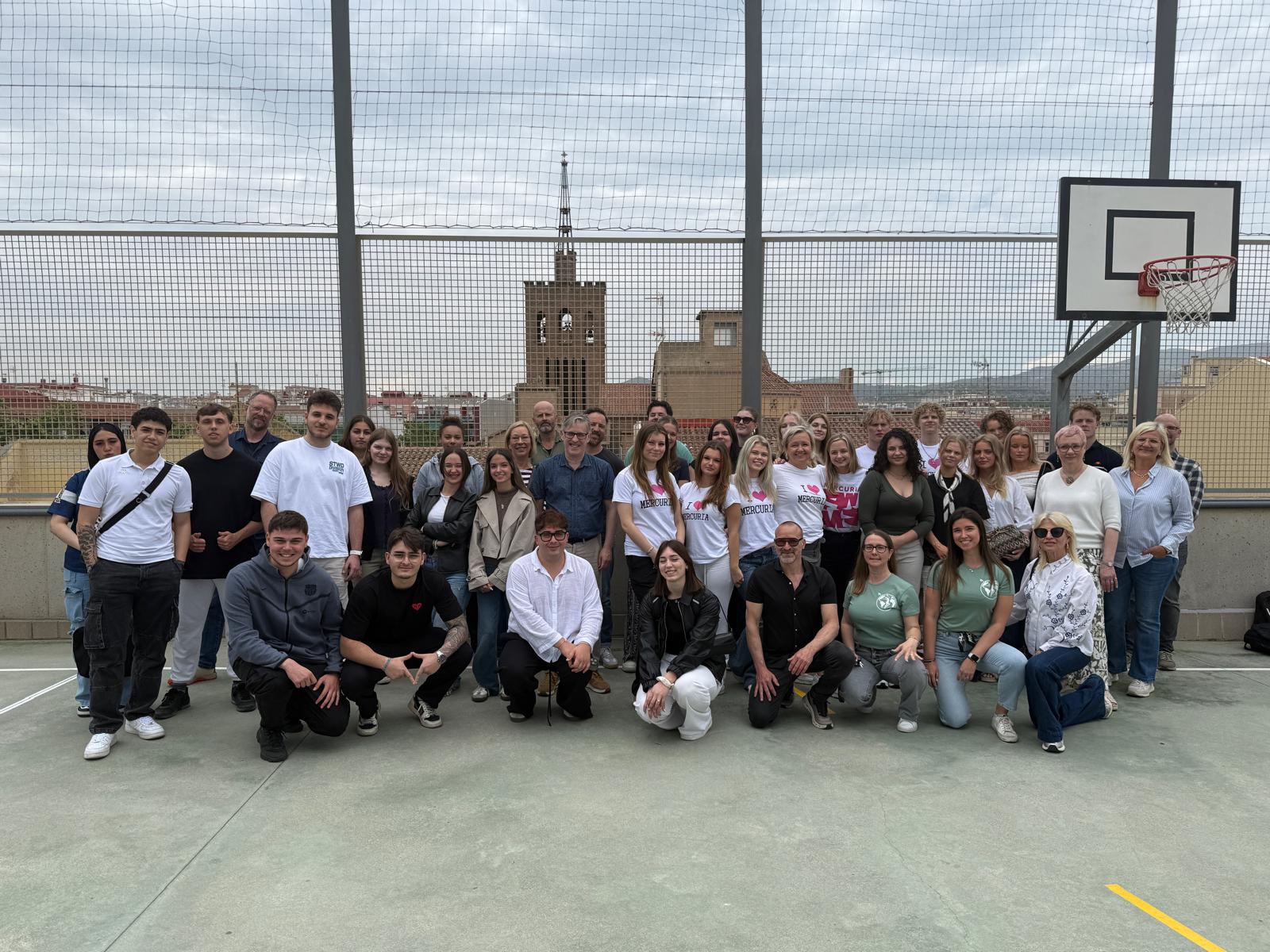
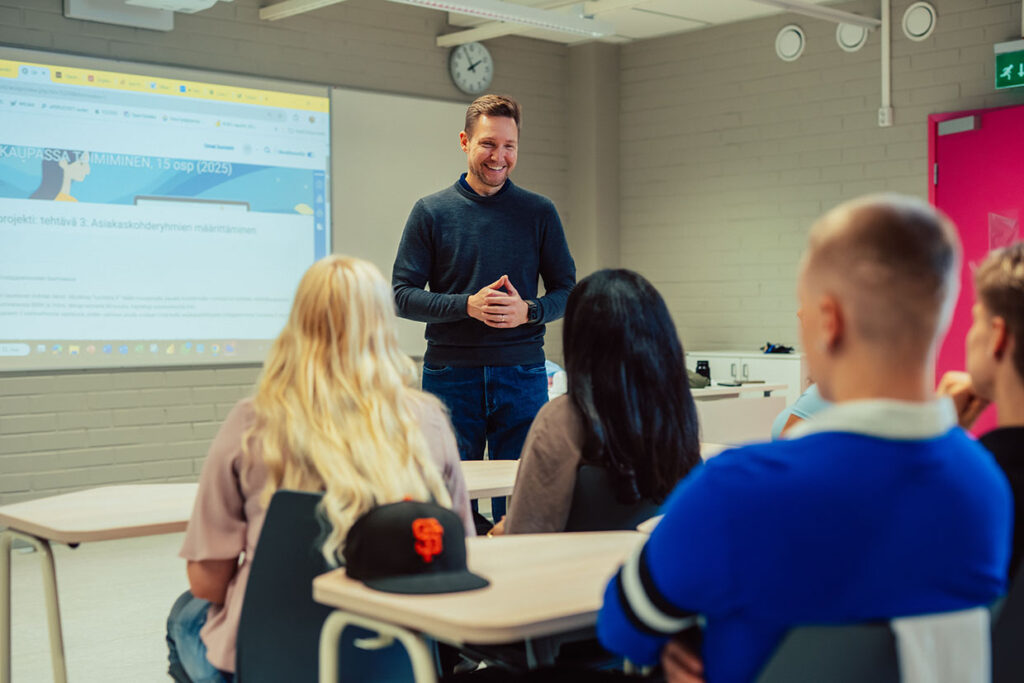
One of them is Tomi Tallgren, a teacher of sales and customer service, who also has strong experience in teaching entrepreneurship and digital commerce. He has previously been involved, for example, in Vocational College Varia’s and Mercuria’s collaboration with the German school Friedrich List Schulen, where students created products to be sold at the Lübeck Christmas market. Now, at the beginning of next year, Tomi will join a new customer service project together with the Spanish school Col-legi Badalonès. The aim of this project is to strengthen students’ international skills, increase their understanding of each country’s customs and work cultures, and lower the threshold for participating in international mobility in the future.
New projects
The project with Col-legi Badalonès is a two-way customer service and cultural exchange initiative designed to familiarise students with both Finnish and Spanish work cultures, business environments, and customer service practices.
As part of the project, seven students from each institution will spend one week in the partner country:
– the Spanish students will visit Finland from 26 to 30 January 2026,
– the Finnish students will travel to Badalona and Barcelona from 13 to 17 April 2026.
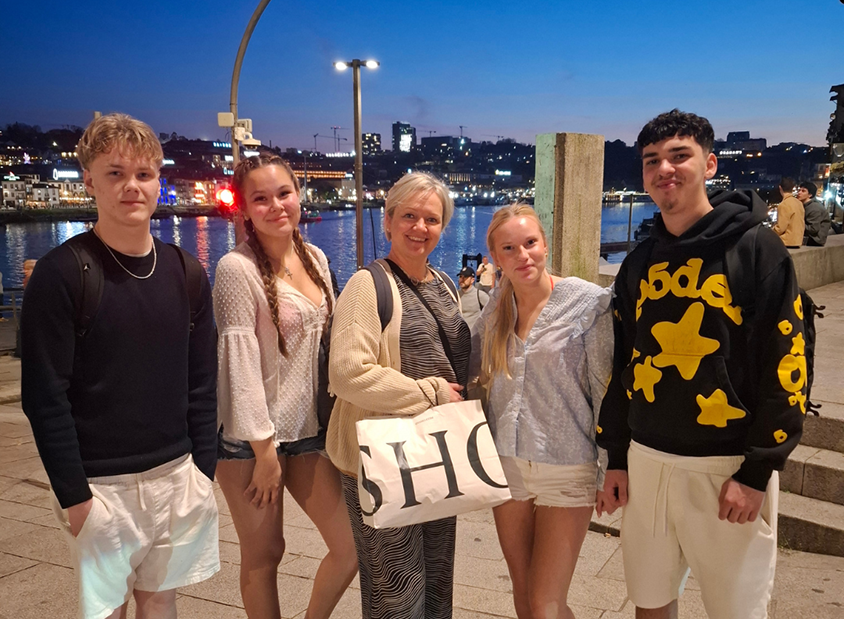
The visit weeks will consist of work-related tasks, customer-service exercises, cultural activities, and shared free time. One of the key goals of international projects is to lower the threshold for students to take part in future international training or work placements abroad.
International work placements
International work placements and the competence demonstrations carried out during them follow the same principles as in Finland: students complete their demonstrations in a company where they can perform the tasks required for their qualification module. The most commonly completed module abroad is working in an international work environment, but other modules can also be completed if the tasks offered by the workplace allow it. A teacher visits the host country and workplace either at the beginning of the placement to sign the training agreements or at the end to assess the demonstration. All other guidance is provided via Teams and other digital channels. This means that students receive substantial support throughout their work placement.
In conclusion, Mercuria’s long-term commitment to promoting internationalisation is clearly reflected in the growing variety of cooperation projects and opportunities available to students. New initiatives, such as the customer service project with Col-legi Badalonès, strengthen the skills of both students and staff and encourage them to embrace international experiences in the future as well. Through these projects, we are building a shared culture of learning across borders—a culture that equips students to succeed in a global working environment and inspires them to view the world with an open mind.